
Tactile Tech in Stadiums: Making Sports Accessible for the Visually Impaired
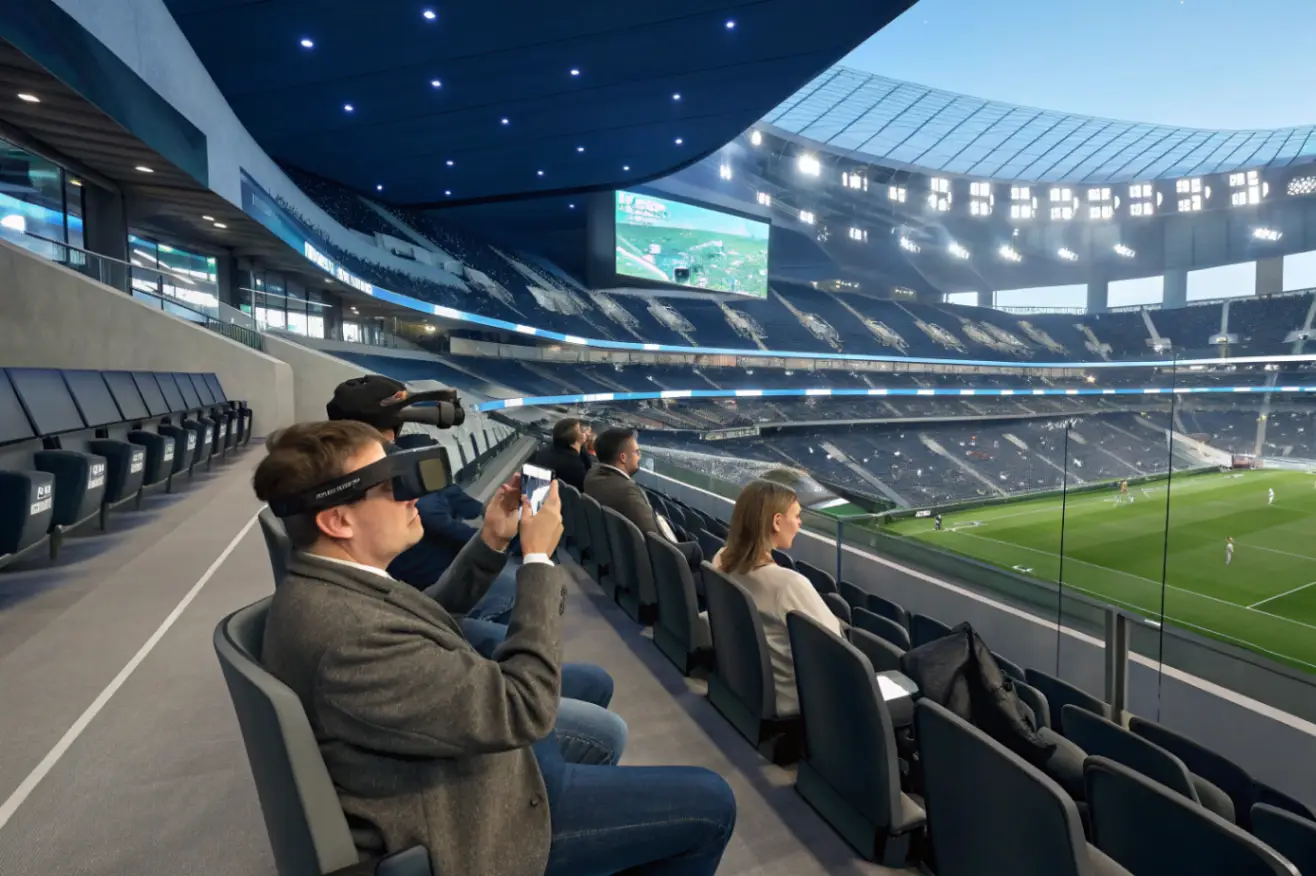
Sports have always been about emotion: the roar of the crowd, the tension of a penalty kick, the rhythm of a fast break, the collective breath held before a decisive moment. But for fans with visual impairments, the “full stadium experience” has traditionally been incomplete, built mostly around sound and imagination. Today, that gap is finally shrinking. With tactile technology in stadiums, accessibility is moving beyond ramps and signage and into something far more meaningful: real-time participation, independent navigation, and a richer understanding of what is happening on the field.
Tactile tech is not a futuristic concept anymore. It is already being tested and implemented in modern venues through haptic feedback devices, tactile maps, braille-enhanced information systems, wearable navigation tools, and live match interpretation systems designed specifically for blind and low-vision fans. This shift is not only about inclusion as a social value—it is also about the future of stadium innovation, fan engagement, and the transformation of sports venues into truly smart and human-centered spaces.
What Tactile Technology Means in a Modern Stadium Environment
Tactile technology refers to systems that communicate information through touch. In the context of sports venues, tactile solutions translate visual data—like player movement, ball position, and tactical patterns—into physical signals that can be felt rather than seen. This may sound simple, but the impact is profound. When touch becomes a channel for live sports, the match becomes more understandable, more immersive, and more emotionally connected for fans who otherwise rely only on audio commentary.
In stadiums, tactile accessibility typically takes several forms. Some solutions focus on navigation: helping fans find entrances, seating zones, restrooms, food stands, and emergency exits independently. Others focus on the game itself: delivering a tactile version of match events through wearable devices, vibrating interfaces, or tactile tablets that simulate the movement of the ball and players. The most advanced systems combine both approaches, creating a complete accessibility ecosystem.
What makes tactile stadium technology especially powerful is its ability to work alongside existing accessibility tools. Audio description remains essential, but touch adds an extra layer of clarity. A blind fan may hear “the winger is sprinting down the left side,” but with tactile feedback, they can feel the direction and speed of the attack. That combination reduces cognitive load, improves comprehension, and turns passive listening into active engagement.
From an SEO perspective, this is where terms like accessible stadium technology, tactile sports experience, haptic feedback for fans, and smart stadium accessibility naturally fit into the conversation. They are not marketing buzzwords—they describe real changes happening in sports infrastructure and the fan experience.
Key Tactile Solutions Already Used for Accessibility in Stadiums
The growth of tactile tech in sports venues is happening because the technology is finally mature enough to be practical. Sensors are smaller, wireless connectivity is stronger, mobile apps are more stable, and stadiums are already investing in digital infrastructure. The result is a new generation of tools that can make the venue and the match itself more accessible.
Before exploring specific examples, it helps to see how tactile solutions differ in purpose. Some are designed for “wayfinding” and independent movement, while others focus on live match interpretation and emotional immersion. The table below summarizes the most important tactile innovations currently used or tested in stadium environments, and how they support blind and low-vision spectators.
| Tactile Solution | What It Does | How It Helps Visually Impaired Fans | Typical Stadium Use Case |
|---|---|---|---|
| Tactile maps and raised floor plans | Provides a physical layout of the venue | Helps understand entrances, seating blocks, exits | Orientation at fan service points |
| Braille signage and tactile labels | Adds touch-based text and symbols | Improves independence and reduces reliance on staff | Restrooms, elevators, gates, seating rows |
| Haptic navigation via smartphone | Uses vibrations to guide directions | Supports step-by-step movement around the stadium | Finding seats, concessions, transport exits |
| Wearable haptic devices | Vibrates based on match events or movement | Translates key moments into touch sensations | Goal alerts, attacks, possession changes |
| Tactile tablets for live match tracking | Simulates ball movement on a tactile surface | Helps “feel” the match in real time | Dedicated accessibility zones |
| Haptic seating zones and immersive feedback | Uses vibration in seating areas | Adds emotional impact during major moments | Premium accessibility experiences |
This overview shows that tactile technology is not one single device—it is a toolkit. Some stadiums start with basic improvements like tactile signage and braille labeling, which are relatively affordable and immediately helpful. Others experiment with haptic wearables and tactile match-tracking systems, which require more coordination with data providers and event management teams.
Importantly, these solutions are also beneficial for stadium operations. When navigation becomes more independent, staff workload decreases. When fans feel confident moving around the venue, satisfaction increases. And when the stadium experience becomes inclusive by design, the venue’s reputation improves in a way that aligns with modern expectations for social responsibility and user-centered design.
How Haptic Feedback and Tactile Match Tracking Improve Fan Experience
A stadium is an intense environment even for fully sighted fans. There is constant movement, noise, changing attention, and fast-paced action. For blind and low-vision spectators, the challenge is not simply “not seeing.” It is the lack of structure and clarity in a space built around visual cues: scoreboards, player positions, referee gestures, and crowd reactions that are often triggered by something visual.
This is where haptic feedback becomes transformative. Instead of translating everything into long explanations, haptics can deliver short, meaningful signals. A vibration pattern can indicate a shot on target. A stronger pulse can indicate a dangerous attack. A shift in vibration direction can represent movement from midfield into the final third. These signals can be personalized, meaning each fan can choose the level of detail they want.
Tactile match tracking is especially exciting because it can represent the shape of the game. Football, basketball, hockey, and rugby are not only about isolated moments—they are about flow. Fans want to understand momentum, pressure, and tactical changes. A tactile interface can give a physical representation of where the action is happening and how quickly it is evolving. That makes sports more enjoyable because the fan is not only reacting to sound, but also building a mental picture through touch.
To make this experience practical, stadium systems typically rely on real-time data feeds. These can include ball tracking, player tracking, event detection, and match statistics. The tactile device translates those feeds into patterns the user can feel. The key is simplicity: tactile feedback must be intuitive, not overwhelming.
A well-designed tactile experience usually includes a few essential features that fans can learn quickly and trust during the match:
- Clear vibration patterns for major events such as goals, penalties, timeouts, and final whistle.
- Directional signals that represent which side is attacking or where the play is concentrated.
- Optional intensity levels so users can control how “active” the feedback feels.
- Quick on/off controls for moments when fans prefer to focus on audio or atmosphere.
- Custom modes for different sports, since pace and event frequency vary widely.
When these elements are introduced properly, tactile match technology becomes something fans can use naturally, without needing constant instructions. And that is the point of accessibility: not making people feel like they are “using a special system,” but giving them an equal chance to enjoy the same event in their own way.
After the match, tactile tools can also improve the overall experience by offering accessible post-game summaries. Instead of only reading stats, fans can explore a tactile replay timeline, feel where the key moments happened, and connect emotional memory with physical cues. That kind of design turns sports from a one-dimensional audio experience into a multi-sensory memory.
Tactile Navigation, Seating Access, and Wayfinding in Large Venues
While match tracking is the exciting part of tactile innovation, navigation is where accessibility becomes real and immediate. A stadium is not like a small theater. It is a complex space with multiple levels, gates, corridors, staircases, security zones, and vendor areas. Even fans without disabilities sometimes get lost. For visually impaired fans, poor wayfinding can turn an enjoyable event into stress.
Tactile navigation systems aim to solve that problem by replacing visual signs with touch-based guidance. In practice, the most effective solutions combine tactile and digital tools. A fan might begin with a tactile map at the entrance, then use smartphone navigation to reach their seat, and rely on braille signage for restrooms and exits during the event.
One of the most important improvements is tactile consistency. Fans need predictable systems. If tactile signage is only used in one section, it becomes confusing. If braille labels are placed too high or too low, they become hard to locate. If navigation vibrations are delayed due to weak connectivity, the user loses trust. So tactile stadium accessibility is not only about “adding features,” but about designing an environment that works reliably.
Seating access is another major factor. A visually impaired fan may not need a wheelchair-accessible seat, but they may need a seating area with better support: easier entry, clear staff assistance if requested, reduced crowd pressure, and a calm zone for tactile devices. Some stadiums create accessibility-friendly seating sections where tactile match tools are available and staff are trained to support their use without being intrusive.
Emergency planning also matters. Accessibility is incomplete if evacuation routes are unclear. Tactile markers can help identify exit paths, and haptic alerts can be used to signal urgent announcements. In a crowded stadium, sound alone may not be enough. Touch-based alerts can provide a crucial layer of safety.
From a broader perspective, tactile navigation is part of the smart stadium trend. Modern venues already use digital ticketing, crowd monitoring, and app-based services. Adding tactile wayfinding for blind and low-vision fans is not a separate “special project.” It is a logical next step in building stadiums that are truly designed for everyone.
Stadium Design, Inclusive Innovation, and the Future of Accessible Sports
The biggest change happening today is that accessibility is becoming a design priority rather than a late-stage adjustment. In the past, stadium accessibility often meant meeting minimum requirements: ramps, designated seats, basic signage. But the future is moving toward inclusive innovation, where accessibility is integrated into the experience from the beginning.
Tactile technology plays a central role because it solves two key problems at once. First, it supports independent movement and reduces barriers in the physical space. Second, it brings the match closer to the fan, giving them real-time understanding rather than delayed explanations. When those two outcomes combine, the stadium becomes more than “accessible.” It becomes welcoming.
This shift is also driven by fan expectations. Sports organizations increasingly understand that fans want meaningful inclusion, not symbolic gestures. Visually impaired supporters are loyal, passionate, and deeply connected to clubs and teams. They deserve a stadium experience that respects that passion. And for clubs, investing in accessibility is not only ethical—it strengthens community identity and expands the fan base.
Another important factor is technology scalability. Tactile tools are becoming more affordable. Smartphone-based haptic navigation can be updated through software. Wearable devices can be rented at the venue. Tactile maps can be standardized across multiple stadiums. This means that accessibility improvements no longer require massive rebuilding projects to be effective.
The future of tactile stadium tech will likely focus on integration. Instead of separate systems for navigation, match tracking, and alerts, fans will have a single accessibility platform that connects everything. A fan could arrive at the stadium, receive tactile guidance to the seat, activate match tracking mode, and get haptic alerts for key moments—all through one interface.
Artificial intelligence will also influence tactile accessibility. AI can improve event detection, predict crowd flow, and personalize tactile feedback patterns. For example, a fan could choose a “tactical mode” with more detailed movement feedback or a “highlight mode” that focuses only on major events. That personalization is crucial because visual impairment is not one single condition—different users have different needs, preferences, and sensory comfort levels.
Practical Challenges and Best Practices for Implementing Tactile Tech
Even though tactile stadium technology is promising, implementation is not always simple. The biggest challenge is not the device itself, but the ecosystem around it: data quality, staff training, user onboarding, and long-term maintenance.
One of the most common issues is overcomplication. Designers sometimes try to translate the entire match into tactile signals. But touch is not meant to replace vision completely—it is meant to deliver essential information clearly. If a device vibrates constantly, the fan becomes overwhelmed. If the signals are inconsistent, the fan stops trusting the system. The best tactile experiences are simple, stable, and intuitive.
Another challenge is the need for reliable connectivity. Real-time tactile match tracking depends on fast data transfer. Stadiums can be difficult environments for wireless performance because of high crowd density and interference. If a system relies on a mobile app, it must be optimized for low latency and tested under real match-day conditions.
Staff training is equally important. Even the best tactile technology fails if fans cannot access it easily. Stadium staff should know how to provide the devices, explain basic functions, and offer assistance respectfully. Accessibility should never feel like a burden placed on the fan. The goal is independence with support available when needed.
There is also the question of inclusivity across price levels. If tactile match experiences are only offered in premium seating areas, accessibility becomes a luxury rather than a right. The most responsible approach is to ensure that tactile navigation and basic match accessibility tools are available for all ticket categories, with optional upgrades for fans who want more advanced features.
Finally, stadiums should involve visually impaired fans directly in testing and feedback. No accessibility project succeeds without real users shaping the design. What seems logical to an engineer may feel confusing in practice. What seems “minor” to a venue manager may be the most important detail for a fan trying to navigate a crowded corridor.
In the end, tactile technology is not just about devices. It is about dignity, independence, and full participation. When stadiums invest in tactile accessibility, they are not only improving the experience for visually impaired fans—they are redefining what modern sports entertainment should look like.
Conclusion
Tactile tech in stadiums is changing the meaning of accessibility. It is moving sports from a primarily visual spectacle to a multi-sensory experience where touch becomes a powerful channel for connection. With haptic feedback, tactile match tracking, braille-enhanced information, and navigation tools designed for independence, blind and low-vision fans can experience the game with greater clarity, emotion, and confidence.
As stadiums continue evolving into smart venues, tactile accessibility will become a natural part of the infrastructure—not an optional add-on. The future of sports is not only louder, faster, and more digital. It is also more inclusive, more thoughtful, and more human.