
Race Pacing in Middle-Distance Athletics: How Winners Control Speed
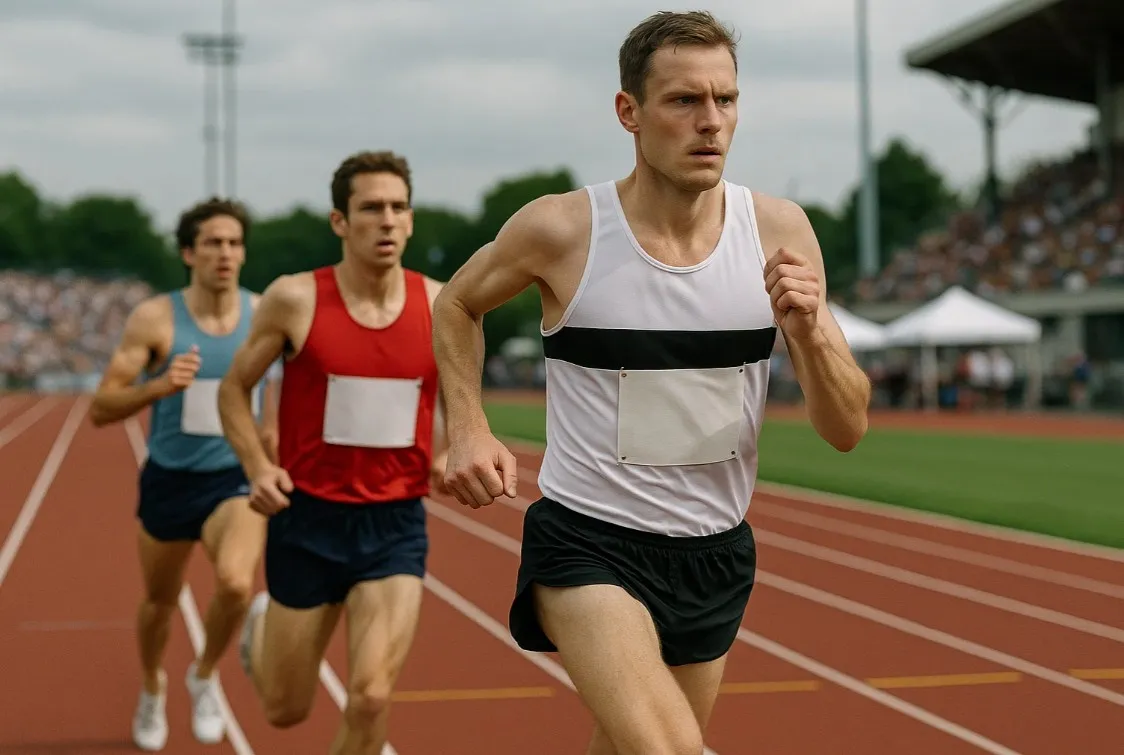
Middle-distance events occupy a unique position in athletics. Races such as the 800 meters and 1500 meters demand both raw speed and endurance, forcing athletes to operate near their physiological limits for extended periods. Unlike sprinting or long-distance running, success in middle-distance events depends less on absolute strength and more on how intelligently an athlete distributes effort across the race.
Pacing is the central skill that separates elite performers from talented but inconsistent runners. At the highest level, athletes are rarely limited by fitness alone. Instead, results are decided by how effectively they manage speed, energy expenditure, and positioning under pressure. Understanding race pacing provides insight not only into performance outcomes but also into why certain tactical approaches dominate modern athletics.
Why pacing defines middle-distance performance
In middle-distance races, the margin for error is extremely small. Running too fast early leads to rapid lactate accumulation and compromised finishing ability. Running too conservatively often leaves athletes boxed in or unable to respond to decisive moves. The optimal pace lies in a narrow window that balances metabolic efficiency with tactical positioning.
Unlike endurance events, where steady output is often rewarded, middle-distance races involve constant fluctuations in speed. Surges, slowdowns, and sudden accelerations are common, especially in championship settings. Athletes must be capable of adjusting pace dynamically while maintaining biomechanical efficiency.
This complexity makes pacing both a physiological and cognitive skill. Successful runners internalize race rhythm through experience, allowing them to respond instinctively rather than reactively.
Physiological constraints behind pace distribution
Middle-distance events are dominated by aerobic energy systems but rely heavily on anaerobic contribution during critical phases. The 800 meters, in particular, sits at the boundary between sprint and endurance, with lactate levels rising sharply after the first lap.
Pacing strategies must account for this energy balance. An aggressive opening may feel sustainable initially, but the delayed physiological cost often appears in the final 200 meters. Conversely, overly cautious pacing may preserve energy but reduce competitive options.
Elite athletes train specifically to tolerate discomfort at high speeds, but even the best runners cannot escape metabolic limits. Effective pacing respects these limits while exploiting tactical opportunities.
Common pacing models used in competition
Before analyzing pacing outcomes, it is helpful to outline the main pacing models observed in middle-distance athletics. These models are not rigid templates but general patterns shaped by race context and athlete profile.
The most frequently observed pacing approaches include:
- Positive split, where the first half is faster than the second
- Negative split, characterized by a controlled start and strong finish
- Even pace, maintaining consistent speed throughout
- Variable pace, incorporating surges and tactical slowdowns
Each model carries inherent risks and advantages depending on race dynamics and competition level.
Comparing pacing approaches across events
Before reviewing the table below, it is important to note that pacing effectiveness depends heavily on event distance. What works in the 800 meters may be ineffective or even harmful in the 1500 meters.
| Event Distance | Dominant Pacing Pattern | Risk Profile | Tactical Flexibility |
|---|---|---|---|
| 800 meters | Positive or variable | High | Medium |
| 1000 meters | Even to variable | Medium | Medium |
| 1500 meters | Negative or variable | Medium | High |
| Mile | Negative | Low | High |
This comparison highlights how increasing distance shifts emphasis toward patience and finishing strength rather than early aggression.
Tactical pacing in championship races
Championship races often differ dramatically from time-trial events. Without pacemakers, early laps are frequently slower than optimal, placing greater importance on positioning and acceleration ability. Athletes must balance conserving energy with avoiding traffic and maintaining tactical control.
In such races, pacing becomes reactive rather than pre-planned. Runners monitor opponents closely, responding to changes in speed while protecting their own rhythm. Sudden surges are often used to test rivals rather than to establish sustainable pace.
Athletes who struggle in tactical environments often possess strong physiological profiles but lack pacing intuition under variable conditions.
Psychological factors influencing pace decisions
Pacing is as much mental as physical. Anxiety, confidence, and race awareness all influence how athletes interpret effort. Less experienced runners often misjudge early pace due to adrenaline, leading to premature fatigue.
Elite athletes develop internal pacing cues through repeated exposure to race-like stress. They learn to differentiate between manageable discomfort and unsustainable strain, allowing them to delay commitment until decisive moments.
Mental discipline is particularly important in middle-distance events, where the temptation to respond to every move can be costly.
Training methods that improve pacing control
Effective pacing is developed through targeted training rather than theoretical understanding alone. Interval sessions with controlled recovery teach athletes to maintain form under fatigue. Progressive runs simulate race-like speed changes, reinforcing adaptability.
Coaches often use split-based workouts to reinforce awareness of effort distribution. These sessions emphasize consistency and finishing strength rather than peak speed.
Over time, such training embeds pacing patterns into neuromuscular memory, reducing cognitive load during competition.
Technology and data in modern pace analysis
Advances in wearable technology have transformed how pacing is studied. GPS tracking, heart rate variability, and lactate testing provide detailed insight into how athletes respond to different pacing strategies.
However, data complements rather than replaces intuition. In races, athletes must make split-second decisions that no device can dictate. The best performers integrate data-driven preparation with instinctive execution.
This balance defines modern middle-distance athletics, where science informs strategy but human judgment determines outcome.
Long-term impact of pacing mastery
Athletes who master pacing tend to enjoy greater longevity and consistency. Efficient effort distribution reduces injury risk and improves recovery between races. It also enhances adaptability across race formats and competitive environments.
At the elite level, differences in fitness are often marginal. Pacing proficiency becomes the decisive factor that converts preparation into performance. This explains why seasoned competitors frequently outperform faster but less experienced rivals.
Conclusion
Race pacing is the defining skill of middle-distance athletics. It governs how speed, endurance, and tactics converge under competitive pressure. While physical conditioning sets the ceiling for performance, pacing determines how close an athlete comes to that ceiling on race day.
In events where seconds matter and margins are slim, controlling pace is not optional—it is essential. Athletes who understand and refine this skill gain a decisive advantage, turning preparation into consistent results. In middle-distance running, success belongs not to those who run hardest, but to those who run smartest.